
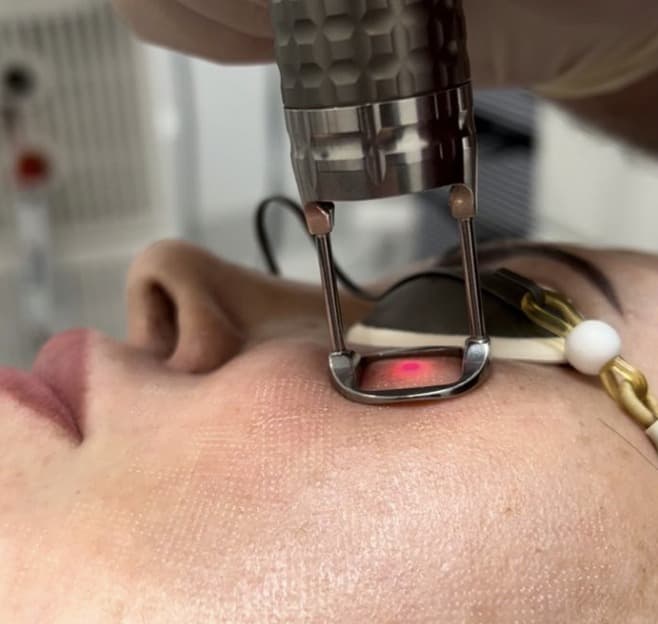
Academic program · 2027 Edition
Clinical Training Program in Medical Lasers
A medical training program structured in two progressive levels, focused on the safe, protocol-based clinical use of laser technology and energy-based systems.
- Hybrid · Online + clinical practice
- For physicians residing in Uruguay only
- AMEU endorsement
- CLADEMA endorsement
Where technology becomes medicine
- Levels
- 2
- Modules
- 10
- Duration
- 8 months
- Workload
- 25 + 110 h
- Start
- March 2027
Level 1 · 25 hours · Modules 1 to 4
Fundamentals, safety and diagnosis
View modules →Level 2 · 110 hours · Modules 5 to 10
Clinical program in medical lasers
View modules →
Laser safety
Safe parameter selection, biosafety and eye protection, complication prevention and initial management of adverse events.
Evidence-based protocols
Well-founded clinical decisions, clear indications, rational use of energy and structured clinical records.
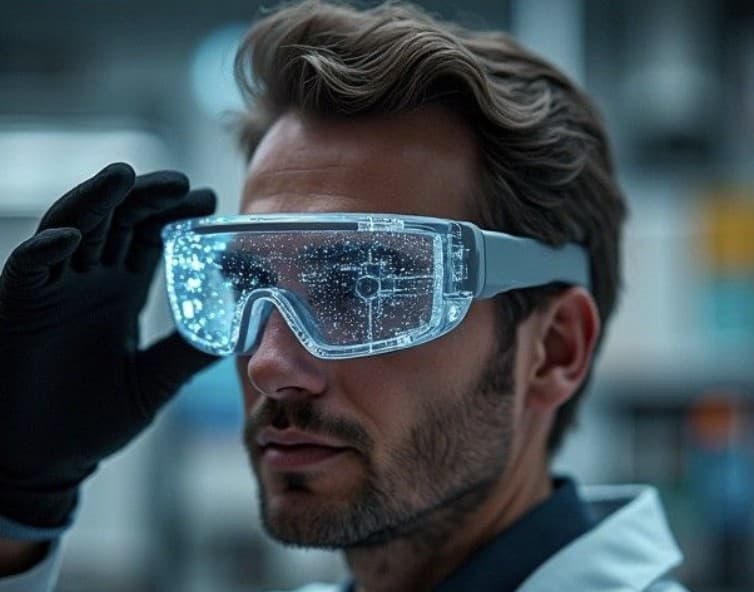
Level 1 · 25 hours
Fundamentals, safety and diagnosis
Level objective
To provide the physical, biological and regulatory foundations needed to understand how laser systems interact with human tissue, develop diagnostic judgment and ensure safe clinical practice.
Module 01
Physical principles of lasers and energy-based systems
Contents
- Nature of light: coherence, monochromaticity and collimation.
- Differences between laser, IPL and energy-based systems.
- Principles of selective photothermolysis.
- Laser-tissue interaction: Absorption · Scattering · Reflection · Transmission.
- Wavelength and penetration depth.
- Fluence, energy density and thermal effect.
- Pulse duration and thermal relaxation time.
- Spot size and its impact on penetration.
- The concept of the therapeutic window.
Competencies
- Interpret technical parameters from a clinical perspective.
- Understand the relationship between settings and biological effect.
- Identify risks arising from inadequate selection.
Module 02
Chromophores and biological foundations
Contents
- Melanin.
- Hemoglobin.
- Water.
- Absorption spectra.
- Chromophore-pathology relationship.
- Thermal, photoacoustic and photochemical effects.
- The concept of controlled damage and tissue remodeling.
- Biological basis of laser-induced healing.
Competencies
- Identify the predominant chromophore.
- Match the pathology with the appropriate technology.
- Understand the biological impact of the applied energy.
Module 03
Laser safety, complications and regulatory framework
Contents
- Laser classification under international standards.
- Laser biosafety.
- Eye protection.
- Risk management.
- Absolute and relative contraindications.
- Test spots and their interpretation.
- Most common complications: Burns · Dyschromias · Scars · Infections.
- Prevention and initial management.
- Specific informed consent.
- Structured clinical records.
Competencies
- Apply mandatory safety protocols.
- Prevent common complications.
- Document practice properly.
Module 04
Clinical assessment and photographic documentation protocol
Contents
- Laser-oriented medical history.
- Skin phototype assessment.
- Identification of risk factors.
- Pigmentary, vascular and structural assessment.
- Standardized photography protocol: Consistent lighting · Neutral background · Fixed distance · Reproducible positioning · Photographs at rest and in motion.
- Consent for use of images.
- Data protection.
- Academic use of clinical material.
Competencies
- Perform a comprehensive assessment before treatment.
- Ensure reproducibility in follow-up.
- Meet ethical and legal standards in image handling.
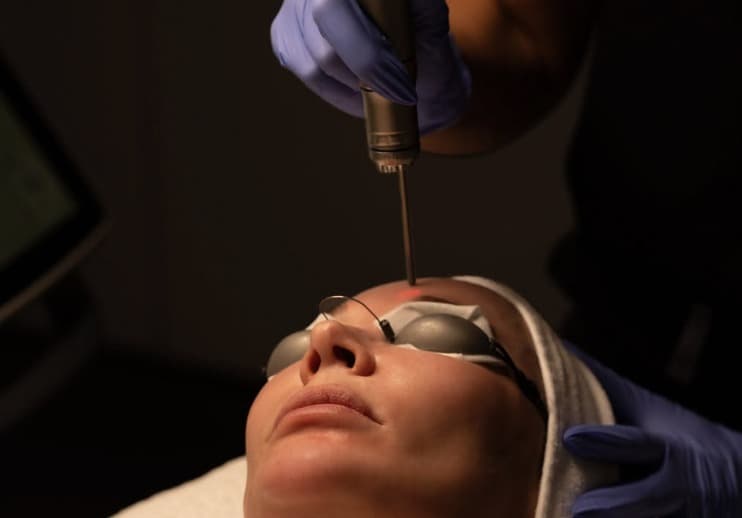
Level 2 · 110 hours
Clinical program in medical lasers
Level objective
To train physicians in the safe, protocol-based clinical application of lasers in common conditions, developing therapeutic judgment and the ability to integrate them into private practice.
Module 05
Pigmented lesions and the melanin chromophore
1. Overview
- Classification of the most common pigmented lesions: Solar lentigines · Ephelides · Melasma · Post-inflammatory hyperpigmentation.
- Epidermal vs dermal differentiation.
- Risk factors for recurrence.
- Phototype and risk of PIH.
2. Therapeutic foundations
- IPL for pigmentary conditions.
- Q-Switched laser.
- Principles of pigment fragmentation.
- Basic parameter selection.
- Test spot.
3. Clinical protocols
- Treatment sequence.
- PIH prevention.
- Post-treatment care.
- Documented clinical follow-up.
Competencies
- Select the appropriate technology based on depth.
- Set safe initial parameters.
- Prevent pigmentary complications.
Module 06
Skin rejuvenation and resurfacing with fractional CO₂ laser
1. Pathophysiological basis
- Intrinsic and extrinsic aging.
- Photodamage.
- Collagen alterations.
- Induced dermal remodeling.
2. Facial resurfacing
- The concept of resurfacing.
- Ablative vs fractional CO₂ laser.
- Microcolumns of coagulation.
- Progressive dermal remodeling.
3. Clinical indications
- Fine and moderate wrinkles.
- Perioral (barcode) lines.
- Basic eyelid rejuvenation.
- Superficial acne scars.
- Stretch marks.
- Mild to moderate photoaging.
- Improved texture and pores.
4. Technique and basic parameters
- Density.
- Energy.
- Number of passes.
- Anatomical areas.
- Downtime management.
5. Complications and prevention
- Prolonged erythema.
- Infection.
- PIH.
- Hypertrophic scarring.
Competencies
- Indicate resurfacing with sound judgment.
- Adjust basic parameters.
- Manage recovery.
- Recognize the limits of competence.
Module 07
Vascular and inflammatory lesions
1. Overview
- Vascular pathophysiology.
- Common vascular lesions: Telangiectasias · Persistent erythema · Rosacea · Post-inflammatory erythema.
- Vascular vs pigmentary differentiation.
2. Therapeutic foundations
- Photothermolysis applied to hemoglobin.
- Vascular IPL.
- Filter selection.
- Safe initial parameters.
3. Clinical applications
- Erythematotelangiectatic rosacea.
- Persistent erythema.
- Inflammatory acne as an adjunct.
4. Complication prevention
- Eye protection.
- Purpura prevention.
- Immediate management of reactions.
Competencies
- Identify treatable lesions.
- Select safe parameters.
- Adjust treatment according to response.
Module 08
Non-laser energy-based systems (Energy Based Devices)
Module objective. To give physicians the physical foundations and clinical criteria for the responsible use of energy-based technologies other than lasers, understanding their mechanisms of action, basic indications and associated risks.
1. General concepts
- Definition of Energy Based Devices (EBD).
- Differences between: Laser · Intense pulsed light (IPL) · Radiofrequency · Ultrasound · Cryotherapy · Electromagnetic fields (HIFEM).
- Comparative physical principles: Optical energy · Thermal energy · Mechanical energy · Electromagnetic energy · Cryogenic energy.
2. Radiofrequency
Fundamentals
- Volumetric heating.
- Dermal remodeling.
- Immediate contraction and neocollagenesis.
Common indications
- Mild to moderate laxity.
- Facial contouring.
- Mild body laxity.
Safety
- Thermal control.
- Risk of deep burns.
- Candidate selection.
3. Ultrasound (including HIFU)
Fundamentals
- Mechanical waves.
- Focal coagulation points.
- SMAS and deep tightening.
Indications
- Mild non-surgical lifting.
- Facial laxity.
Safety
- Pain.
- Nerve risk.
- Appropriate anatomical selection.
4. Cryotherapy / Cryolipolysis
Fundamentals
- Cold-induced adipocyte apoptosis.
- Controlled inflammatory response.
Indications
- Localized fat.
- Mild body contouring.
Safety
- Risk of paradoxical adipose hyperplasia.
- Transient sensory changes.
5. High-intensity electromagnetic fields (HIFEM)
Fundamentals
- Supramaximal muscle contractions.
- Muscle hypertrophy and hyperplasia.
Indications
- Abdominal toning.
- Gluteal area.
- Adjunct in body contouring.
Safety
- Contraindications (pacemakers, metal implants).
- Prior clinical assessment.
6. Low-level green laser for non-invasive lipolysis
Fundamentals
- Selective interaction with adipocytes.
- Metabolic modulation.
- Transient lipid release.
Indications
- Mild localized fat.
- Adjunct in body contouring.
Safety
- Available evidence.
- Therapeutic limits.
- Avoiding unrealistic expectations.
Competencies
- Differentiate optical from non-optical technologies.
- Understand each specific mechanism of action.
- Select appropriate basic indications.
- Identify risks and contraindications.
- Integrate these technologies as a complement to, not a substitute for, medical judgment.
Module 09
Clinical photobiomodulation
Contents
- Fundamentals of LLLT.
- Photochemical mechanisms.
- Therapeutic LED.
- Inflammatory modulation.
- Adjunctive use in recovery.
- Available scientific evidence.
Competencies
- Understand real indications.
- Integrate it as adjuvant therapy.
- Avoid indiscriminate use.
Module 10
Clinical integration, protocols and case presentation
Contents
- Treatment sequencing.
- Rational combination of technologies.
- Designing a comprehensive treatment plan.
- Structured clinical case presentation.
- Academic audit.
Competencies
- Design personalized protocols.
- Justify decisions.
- Present a clinical case with academic rigor.
Enrollment open · 2027 Edition
Starts in March 2027.
Closed cohort, with limited places.
Until December 30, 2026
USD 2,900
From January 1, 2027
USD 3,500